PENGEMBANGAN ORGANISASI RELAWAN SOSIAL EKONOMI UNTUK GENERASI Z
DOI:
https://doi.org/10.56861/engage.v1i1.5Keywords:
Development of Socio-Economic Volunteer Organizations, Generation Z.Abstract
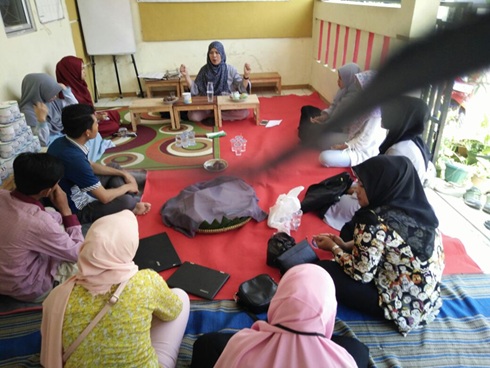
The development of a socio-economic volunteer organization for Generation Z aims to empower young people in social and economic aspects through active involvement in volunteer activities. By utilizing the characteristics of Generation Z who are adaptive to digital technology, this program is designed to build the capacity of volunteer organizations that can improve social and economic welfare in the community. The method used prioritizes a collaborative, participatory, and empowerment-based approach, by involving Generation Z in program planning and implementation. This program includes training in social entrepreneurship, leadership, financial management, and the development of soft skills such as communication and teamwork. In addition, this program also utilizes digital platforms to accelerate the dissemination of information and facilitate interaction between volunteer members and the community. The results of this training show an increase in social entrepreneurship skills, financial literacy, and organizational management among volunteers, as well as economic empowerment that contributes to community progress.
References
Gaol, R. L., & Hutasoit, R. (2021). Media Sosial Sebagai Ruang Sakral: Gereja yang Bertransformasi bagi Perkembangan Spiritualitas Generasi Z dalam Era Digital. KENOSIS Jurnal Kajian Teologi, 7(1), 146. https://doi.org/10.37196/kenosis.v1i1.284
Garai-Fodor, M., Varga, J., & Csiszárik-Kocsír, Á. (2021). Correlation between Generation Z in Hungary and the Motivating Factors to Do Volunteer Work in a Value-Based Approach. Sustainability, 13(20), 11519. https://doi.org/10.3390/su132011519
Nawawi, M. (2020). Pengaruh Media Pembelajaran terhadap Motivasi Belajar: Tinjauan berdasarkan Karakter Generasi Z. Jurnal Penelitian Dan Pengkajian Ilmu Pendidikan E-Saintika, 4(2), 197. https://doi.org/10.36312/e-saintika.v4i2.216
Rizal, R., Rusdiana, D., Setiawan, W., & Siahaan, P. (2020). The Digital Literacy of The First Semester Students in Physics Education. Jurnal Pendidikan Fisika, 8(2), 101. https://doi.org/10.26618/jpf.v8i2.3293
Rzemieniak, M., & Wawer, M. (2021). Employer Branding in the Context of the Company’s Sustainable Development Strategy from the Perspective of Gender Diversity of Generation Z. Sustainability, 13(2), 828. https://doi.org/10.3390/su13020828
Salsabila, F. L., Widiyanarti, T., Ashari, S. D., Zahra, T., & Fadhilah, S. A. (2024). Pengaruh Globalisasi terhadap Perubahan Pola Komunikasi antar Budaya pada Generasi Z. Indonesian Culture and Religion Issues., 1(4), 13. https://doi.org/10.47134/diksima.v1i4.110
Wanda, E. M. (2024). Pengaruh Literasi Digital Pada Generasi Z Terhadap Pergaulan Sosial Di Era Kemajuan Ilmu Pengetahuan Dan Teknologi. Jurnal Sosial Teknologi, 3(12), 1035. https://doi.org/10.59188/jurnalsostech.v3i12.1078
Wiratih, H. W. R., Witono, A. B. M., Havidz, I. L. H., Aima, M. H., & Dewi, M. P. (2022). Peningkatan Kesadaran Berinvestasi bagi Gen-Z sebagai Digital Native melalui Kegiatan Sosialisasi. Jurnal Komunitas Jurnal Pengabdian Kepada Masyarakat, 5(1), 43. https://doi.org/10.31334/jks.v5i1.2422
Gaol, R. L., & Hutasoit, R. (2021). Media Sosial Sebagai Ruang Sakral: Gereja yang Bertransformasi bagi Perkembangan Spiritualitas Generasi Z dalam Era Digital. KENOSIS Jurnal Kajian Teologi, 7(1), 146. https://doi.org/10.37196/kenosis.v1i1.284
Garai-Fodor, M., Varga, J., & Csiszárik-Kocsír, Á. (2021). Correlation between Generation Z in Hungary and the Motivating Factors to Do Volunteer Work in a Value-Based Approach. Sustainability, 13(20), 11519. https://doi.org/10.3390/su132011519
Maryati, W., & Masriani, I. (2019). PELUANG BISNIS DI ERA DIGITAL BAGI GENERASI MUDA DALAM BERWIRAUSAHA: STRATEGI MENGUATKAN PEREKONOMIAN. Jurnal Mebis (Manajemen Dan Bisnis), 4(2), 125. https://doi.org/10.33005/mebis.v4i2.62
Nawawi, M. (2020). Pengaruh Media Pembelajaran terhadap Motivasi Belajar: Tinjauan berdasarkan Karakter Generasi Z. Jurnal Penelitian Dan Pengkajian Ilmu Pendidikan E-Saintika, 4(2), 197. https://doi.org/10.36312/e-saintika.v4i2.216
Rzemieniak, M., & Wawer, M. (2021). Employer Branding in the Context of the Company’s Sustainable Development Strategy from the Perspective of Gender Diversity of Generation Z. Sustainability, 13(2), 828. https://doi.org/10.3390/su13020828
Salsabila, F. L., Widiyanarti, T., Ashari, S. D., Zahra, T., & Fadhilah, S. A. (2024). Pengaruh Globalisasi terhadap Perubahan Pola Komunikasi antar Budaya pada Generasi Z. Indonesian Culture and Religion Issues., 1(4), 13. https://doi.org/10.47134/diksima.v1i4.110
Tania, S. (2022). Perbedaan Generasional dalam Memaknai Praktik Periklanan Digital oleh Influencer di Media Sosial. LONTAR Jurnal Ilmu Komunikasi, 10(1), 54. https://doi.org/10.30656/lontar.v10i1.4247
Wanda, E. M. (2024). Pengaruh Literasi Digital Pada Generasi Z Terhadap Pergaulan Sosial Di Era Kemajuan Ilmu Pengetahuan Dan Teknologi. Jurnal Sosial Teknologi, 3(12), 1035. https://doi.org/10.59188/jurnalsostech.v3i12.1078
Wiratih, H. W. R., Witono, A. B. M., Havidz, I. L. H., Aima, M. H., & Dewi, M. P. (2022). Peningkatan Kesadaran Berinvestasi bagi Gen-Z sebagai Digital Native melalui Kegiatan Sosialisasi. Jurnal Komunitas Jurnal Pengabdian Kepada Masyarakat, 5(1), 43. https://doi.org/10.31334/jks.v5i1.2422
Downloads
Submitted
Accepted
Published
Issue
Section
License
Copyright (c) 2026 Daelami Ahmad, Liza Anggraeni, Mariani Wiwik, Ramelan

This work is licensed under a Creative Commons Attribution-NonCommercial-ShareAlike 4.0 International License.